The Return of the Library: Why the 'Personal Archive' is the Ultimate 2026 Power Move
In an era of digital volatility, the physical library is returning as a sanctuary of permanent knowledge. Here is how to curate a collection that lasts generations.
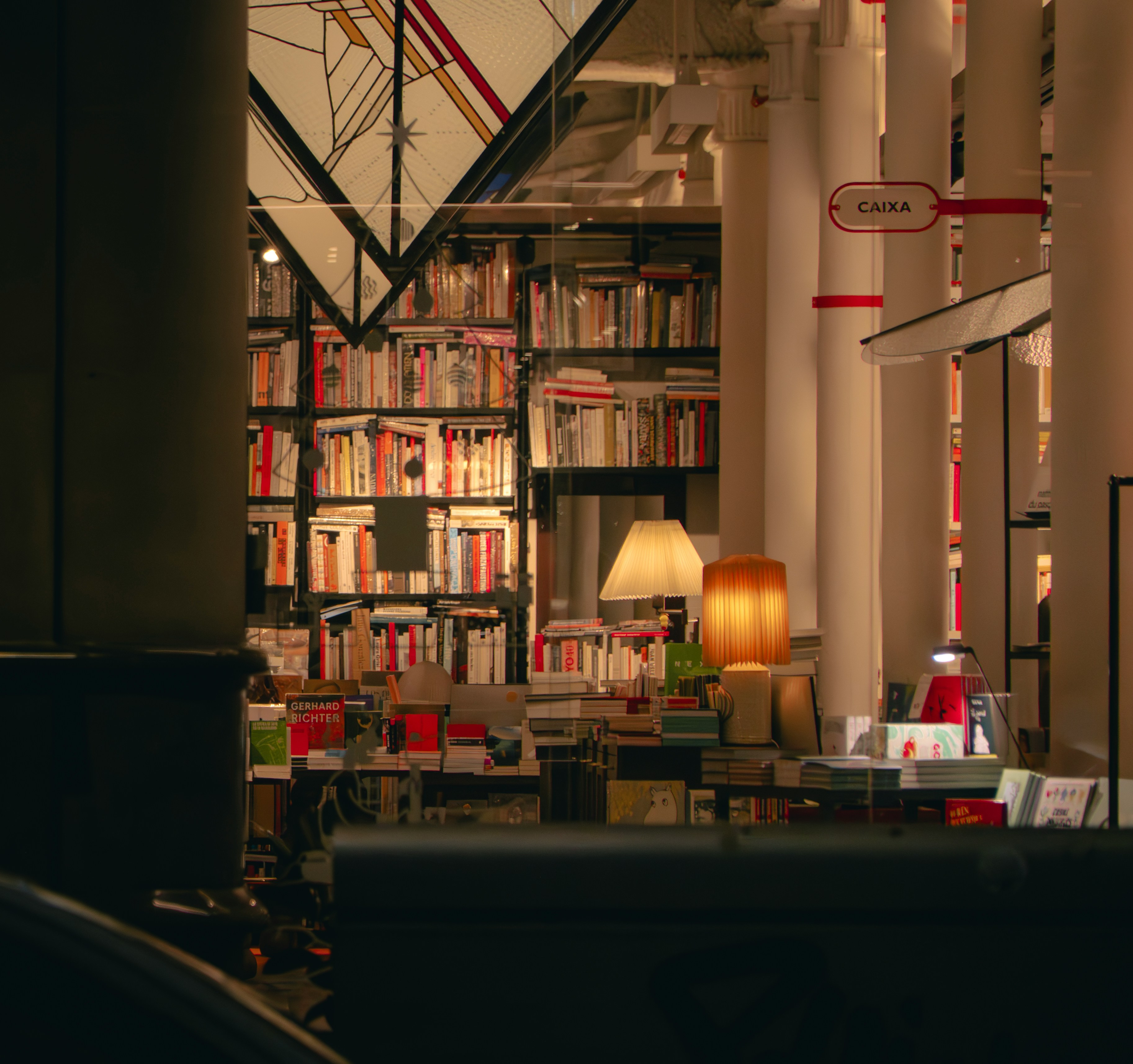
[IMAGE: A floor-to-ceiling dark wood bookshelf filled with a mix of leather-bound classics, modern hardcovers, and small sculptural artifacts. A rolling ladder leans against the side.]
We are currently living through the “Digital Dark Age.” As streaming services delete titles and digital licenses expire, we are beginning to realize that if you don’t own a physical copy, you don’t truly own the culture you love.
By 2026, the home library has transitioned from a dusty corner to a Personal Archive. This movement isn’t just about reading; it’s about curation, preservation, and legacy. A well-built archive is a fortress of identity in an increasingly ephemeral world. Here is how to design a library that functions as a high-end sanctuary.
1. The Architecture of the Shelf: Beyond IKEA
To build an archive, you must move away from “temporary” furniture. A library should feel like it was built into the house, even if you are renting. The goal is structural weight and tactile quality.
The Material Selection
- Solid Hardwoods: Oak, Walnut, and Mahogany are the gold standard. They don’t sag under the weight of heavy art books and they develop a rich patina over decades.
- Lighting the Lore: Use “Picture Lights” or recessed LED strips on every third shelf. This creates a museum-like depth that makes the books look like artifacts.
- Spotlight: [LINK: Solid Oak Modular Library Shelving System]
- Spotlight: [LINK: Dimmable Brass Battery-Operated Picture Light]
2. Curation over Consumption: The 70/20/10 Rule
A great library isn’t just a collection of every book you’ve ever bought at an airport. An Archive requires a strict acquisition policy. Try the 70/20/10 rule:
- 70% Foundational Texts: The books that shaped your worldview. These should be high-quality hardcovers.
- 20% Visual References: Large-format “Coffee Table” books on art, architecture, or fashion that provide instant inspiration.
- 10% Rare & Antiquarian: One or two “Hero” books—a first edition, a signed copy, or a leather-bound volume from a century ago.
- Spotlight: [LINK: Hand-Bound Leather Classics Collection]
- Spotlight: [LINK: Museum-Grade UV Protective Book Covers]
3. The Librarian’s Toolkit: Analog Systems
The beauty of a Personal Archive is the ritual of organization. To make it a true archive, you need the tools of the trade to maintain the collection’s integrity.
- The Embosser: Every book in your archive should bear your mark. A personalized library embosser is the ultimate “gatekeeper” tool.
- The Scent of History: The “Old Book” smell is actually the scent of degrading paper (vanillin). You can enhance this atmosphere with high-end candles that feature notes of paper, ink, and waxed wood.
- Spotlight: [LINK: Custom Stainless Steel Library Embosser]
- Spotlight: [LINK: ‘Oxford Library’ Scented Candle - Notes of Ink & Leather]
[IMAGE: A close-up of a hand placing a book onto a shelf, with a custom gold-foil bookplate visible on the inside cover.]
The Philosophy: Knowledge as an Asset
The Personal Archive is a rebellion against the “infinite scroll.” It is an admission that some ideas are worth keeping close at hand, in physical form, forever. It is a gift to your future self and the generations that follow.
Is your library a reflection of who you are, or just what you’ve read? [INTERNAL LINK: Take our ‘Bibliophile Archetype’ Quiz to find out if you’re a Scholar, a Curator, or a Rebel!]
Disclaimer: This post contains affiliate links to high-quality library furniture and accessories. We may earn a commission on items purchased through these links, supporting our mission to preserve analog culture.